
TIK TOK ZHANGYIMING
Zhang Yiming Becomes China’s Richest Person: A Deep Dive into China’s Tech Resilience
Introduction
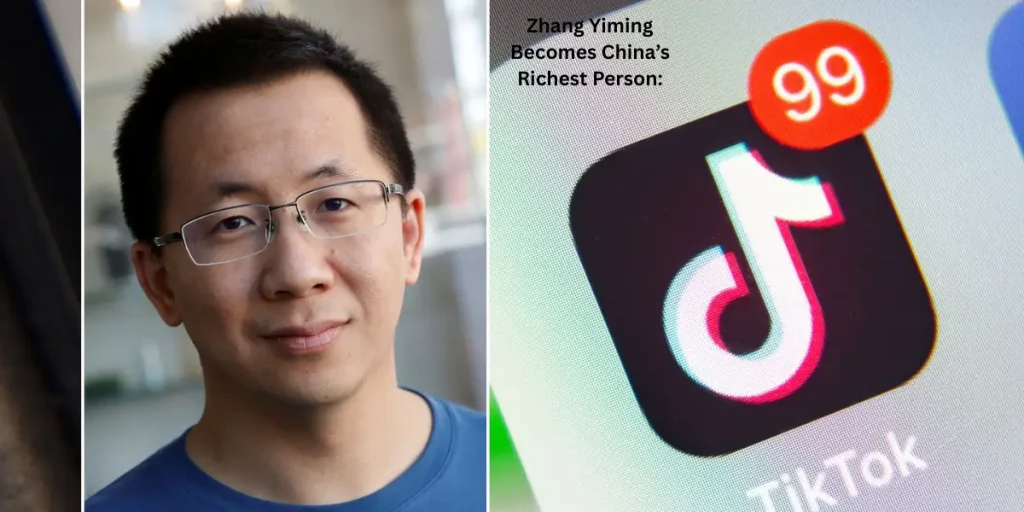
Zhang Yiming, the visionary founder of ByteDance and the driving force behind global platforms like TikTok and Douyin, has officially secured the top position on the Hurun China Rich List. With an estimated net worth of $49.3 billion, Zhang has become the wealthiest individual in China, marking a historic moment in the 26‑year history of the Hurun ranking. His rise is particularly significant because it comes at a time when China’s broader economy is under pressure from slowing growth, regulatory tightening, and global trade tensions.
This milestone not only reflects Zhang Yiming’s personal success but also highlights the ongoing strength of China’s technology sector. While many traditional industries have struggled, digital platforms and innovation‑driven businesses continue to demonstrate remarkable resilience.
Zhang Yiming’s Journey to the Top
At just 41 years old, Zhang Yiming’s ascent to the top of China’s rich list is unprecedented. Unlike many traditional Chinese billionaires who built wealth through manufacturing, real estate, or natural resources, Zhang’s fortune is rooted in data, algorithms, and global digital platforms.
ByteDance was founded with a strong focus on artificial intelligence and personalized content delivery. This technology‑first approach permitted the company to scale rapidly, capturing user attention in both domestic and international markets. Zhang’s leadership philosophy emphasized long‑term innovation rather than short‑term profits, a strategy that has clearly paid off.
Becoming number one on the Hurun list for the first time underscores how China’s wealth landscape is evolving—from traditional industries toward digital and tech‑driven enterprises.
ByteDance’s Revenue Growth and Market Power
A major contributor to Zhang Yiming’s growing fortune is ByteDance’s exceptional financial performance. According to the Hurun report, ByteDance’s revenue grew by 30% last year, reaching an impressive $110 billion. This growth was largely fueled by the continued expansion of TikTok internationally and Douyin’s dominance within China.
TikTok has become one of the most influential social media platforms in the world, reshaping how people consume content, interact with brands, and even engage in political and cultural discussions. Meanwhile, Douyin remains a powerhouse in China, integrating e‑commerce, live streaming, and advertising into a single ecosystem.
This varied revenue model has allowed ByteDance to withstand economic uncertainty better than many competitors, reinforcing investor confidence and boosting Zhang’s net worth.
Surpassing Zhong Shanshan: A Shift in Wealth Leadership
Zhang Yiming’s rise also marks a notable shift in China’s wealth hierarchy. He has overtaken Zhong Shanshan, the founder of Nongfu Spring, who previously held the top position. Zhong’s wealth reportedly declined by 24% to $47.9 billion, pushing him into second place.
This change mirrors broader economic trends. Consumer goods and traditional manufacturing sectors have faced slower growth, rising costs, and changing consumer behavior. In contrast, digital platforms like ByteDance benefit from scalable technology, global reach, and relatively lower marginal costs.
The transition from a bottled‑water magnate to a tech entrepreneur at the top of the list symbolizes China’s transformation into a digital‑first economy.
Economic Pressures Reflected in the Hurun Report
The Hurun China Rich List paints a challenging picture of China’s overall economic environment. The total number of billionaires in China dropped by 142, bringing the figure down to 753. This decline is attributed to several factors, including stock market volatility, increased competition, regulatory shifts, and ongoing trade pressures from the United States.
Many entrepreneurs saw significant reductions in their net worth as market valuations fell and investor sentiment weakened. The report highlights how fragile wealth can be during periods of economic skepticism, especially in sectors heavily dependent on policy support or global supply chains.
Decline of Traditional Industries
Traditional industries were among the hardest hit. Sectors such as solar panel manufacturing, electric vehicles (EVs), and battery production experienced sharp declines. According to Hurun Chairman Rupert Hoogewerf, solar panel makers saw an 80% drop from their 2021 peak, largely due to overcapacity, intense price competition, and policy adjustments.
Similarly, fortunes built on EVs and battery technologies suffered major setbacks as competition aggravated and profit margins shrank. These industries, once seen as the future of China’s industrial growth, are now facing consolidation and restructuring.
This contrast highlights the growing divide between asset‑heavy traditional sectors and agile, technology‑driven businesses.
Tech Sector Resilience Amid Challenges
Despite administrative hurdles and ongoing legal challenges in the United States, especially related to TikTok, ByteDance has continued to expand. Zhang Yiming’s success demonstrates that China’s tech sector remains resilient, adaptable, and globally competitive.
Digital platforms benefit from network effects, global user bases, and rapid innovation cycles. Even when faced with regulatory scrutiny, leading tech firms have shown a faculty to pivot, diversify, and maintain strong revenue streams.
Zhang’s wealth growth amid such challenges sends a strong signal to investors and entrepreneurs about the long‑term potential of technology‑led business models.
Notable Exceptions: Xiaomi and Lei Jun
While many traditional sectors struggled, there were notable exceptions. Lei Jun, CEO of Xiaomi, added approximately $5 billion to his net worth as the company successfully expanded into electric vehicles. Xiaomi’s move demonstrates how established tech companies can leverage brand strength, supply chain expertise, and innovation to enter new markets.
Lei Jun’s success reinforces the idea that adaptability and strategic diversification are key to surviving China’s progressively competitive business environment
What Zhang Yiming’s Success Represents
Zhang Yiming’s rise to the top of the Hurun China Rich List is more than a personal achievement—it represents a wide shift in China’s economic structure. Wealth creation is increasingly driven by:
As traditional industries face mounting pressures, technology continues to offer growth opportunities, both domestically and internationally
Conclusion
Zhang Yiming’s emergence as China’s richest individual underscores the enduring strength of the tech sector in an otherwise challenging economic landscape. With ByteDance generating massive revenues through TikTok and Douyin, Zhang has demonstrated how innovation, global vision, and technological expertise can create extraordinary value.
At a time when many billionaires are seeing their fortunes shrink, Zhang’s success stands as a powerful example of resilience and transformation. It also signals the direction of China’s future growth—one increasingly shaped by technology, digital platforms, and re‑thinking entrepreneurs.